


The Cruise Pro is a proud member of ABTA and ATOL:


















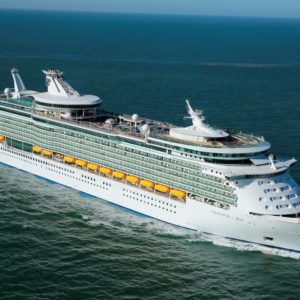
8 NIGHT EASTERN CARIBBEAN CRUISE
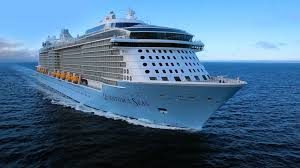
Royal Caribbean Adventure of the Seas 27th October 2022
Join the Adventurer of the Seas in Fort Lauderdale on this 8 night Magical Eastern Caribbean
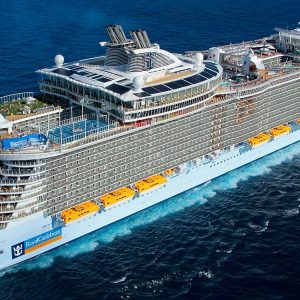
7 NIGHT MEDITERRANEAN CRUISE
Royal Caribbean Oasis of the Seas 30th June 2023
Join the Oasis of the Seas in Barcelona on this Classic 7 night Magical Mediterranean Cruise with
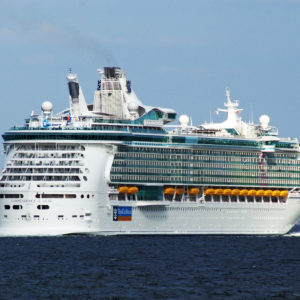
14 NIGHT MEDITERRANEAN HIGHLIGHTS CRUISE
Royal Caribbean Independence of the Seas 22nd September 2022
Join the Independence of the Seas in Southampton on this 14 night Magical Mediterranean Cruise with
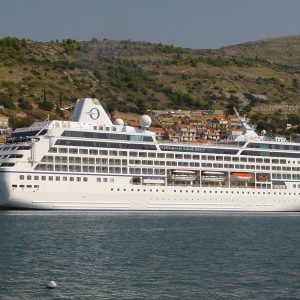
31 NIGHT PACIFIC DREAM CRUISE TO AUSTRALIA
Oceania Regatta 10th November 2022
Join the Fabulous Oceania Regatta in Los Angeles on this 31 night dream cruise to the South Pacific
14 NIGHT MEDITERRANEAN CRUISE
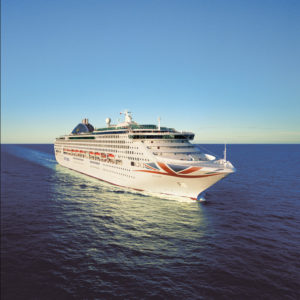
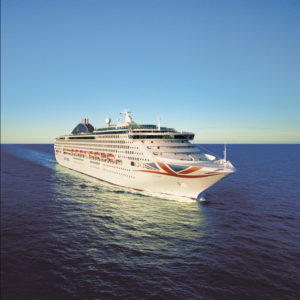
P&O Oceana 16th May 2023
Join the fabulous P&O Oceana in Malta for this magical, Mediterranean cruise with ports of call at: Malta, At Sea, Zadar,
14 NIGHT USA – MEXICO – BELIZE – HONDURAS – BAHAMAS CRUISE
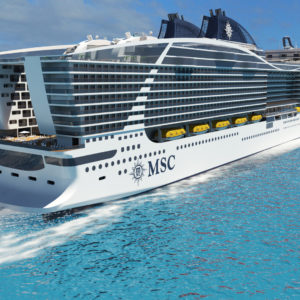
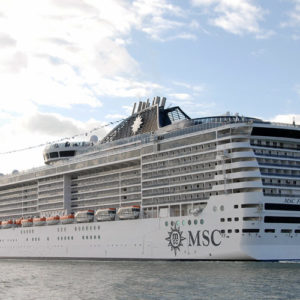
MSC Meraviglia 10th November 2023
Join the MSC Meraviglia in Barcelona on this Magical Mediterranean Cruise with ports
7 NIGHT NORWEGIAN FJORDS CRUISE
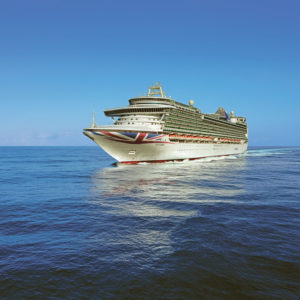
P&O Ventura 29th July 2022
Your Cruise begins and ends in the port of Southampton, UK. This magical cruise includes stop overs in Stavanger –
7 NIGHT MEDITERRANEAN FLY – CRUISE
P&O Oceana 12 July 2022
This 7 night Magical Mediterranean cruise begins in Malta and takes in stops at Dubrovnik – Hvar -Venice –
17 NIGHT HONG KONG – HONG KONG – FAR EAST CRUISE
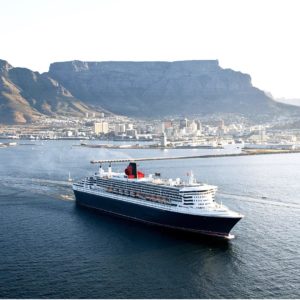
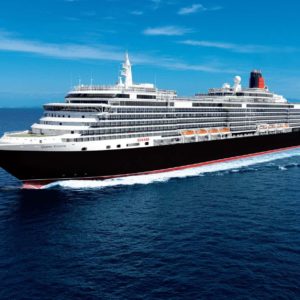
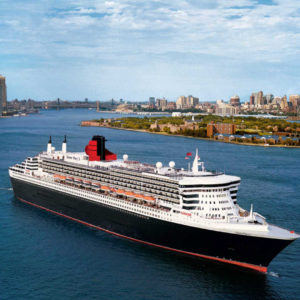
FLY TO HONG KONG FOR A TWO NIGHT HOTEL STAY. EMBARK THE MAGNIFICENT QUEEN MARY 2 IN HONG KONG
26 NIGHT NO FLY CARIBBEAN CHRISTMAS & NEW YEAR CRUISE
TWO FANTASTIC SHIPS
THE QUEEN MARY – NORWEGIAN GEM
INCLUDING
7 Night Full Board Transatlantic cruise on board the Queen
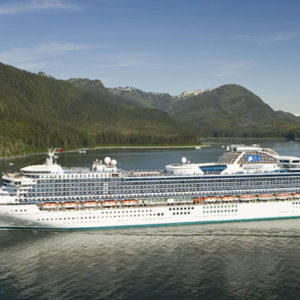
Join the Sapphire Princess in Singapore for this magical 10 night Far Eastern Cruise with ports of call at: Singapore, At Sea, At Sea, Bali, At Sea, At Sea, Kuala Lumpur, Penang, Phuket, At Sea, Singapore. Fly directly from UK to Singapore with a 3 night hotel stay in Singapore. Then board the Sapphire Princess for a 10 night cruise.
22 NIGHT CAPE TOWN TO PERTH CRUISE WITH HOTEL STAYS
Cunard Queen Elizabeth 16th January 2023
Plus a 2 night 4* Hotel Stay in Cape Town Plus 2 Night Hotel
10 NIGHT SOUTHAMPTON – EUROPE CRUISE
Cunard Queen Victoria 1st June 2022
Join the sumptuous Queen Victoria in Southampton on this European cruise with ports of call at: Southampton (UK), (3
27 NIGHT NO FLY TRANSATLANTIC & CARIBBEAN CRUISE
This offer includes:
7 Night Full Board Transatlantic cruise on board the Queen mary 2 from Southampton to New York.
11 Night
9 NIGHT SOUTHAMPTON – EUROPE CRUISE
Cunard Queen Victoria 27th October 2022
Join the sumptuous Queen Victoria in Civitavecchia (Rome) on this European cruise with ports of call at: Civitavecchia (Rome),
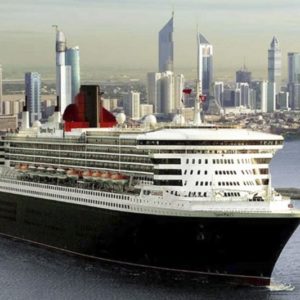
19 NIGHT WORLD CRUISE LEG SOUTHAMPTON TO DUBAI
Cunard Queen Mary 2 10th January 2023
Plus a two night hotel stay in Dubai before flying home.
Book an outside cabin
30 NIGHT SINGAPORE & THE FAR EAST CRUISE
FLY TO SINGAPORE FOR A TWO NIGHT HOTEL STAY. EMBARK THE MAGNIFICENT QUEEN MARY 2 IN SINGAPORE ON THIS FABULOUS 27 NIGHT NIGHT
7 NIGHT MEDITERRANEAN CRUISE
Royal Caribbean – Oasis of the Seas 18th August 2023
Join the Jewel of the Seas in Civitavecchia on this Classic, Magical Mediterranean Cruise with ports
7 NIGHT MEDITERRANEAN FLY – CRUISE
P&O Oceana 14 June 2022
This 7 night Mediterranean cruise begins in Malta and takes in stops at Dubrovnik-Sibenik-Venice and Zadar. Returning to Malta
14 Night Caribbean Cruise
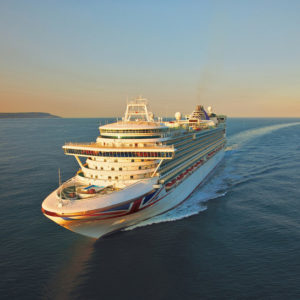
P&O Azura 19th October 2022
Join the Azura in Southampton for this magical trip to Barbados. Three days at sea before arriving at Ponta Delgada in
7 NIGHT ITALY – FRANCE – SPAIN CRUISE
MSC Fantasia 12th October 2022
Join the MSC Fantasia in Civitavecchia (Rome) on this 7 night Magical Mediterranean Cruise with ports of
12 NIGHT CANARY ISLANDS CRUISE
P&O Ventura 27th May 2022
Your Cruise begins and ends in the port of Southampton, UK. This magical cruise includes stop overs in La Coruna
14 NIGHT MEDITERRANEAN ADVENTURE CRUISE
Royal Caribbean Explorer of the Seas 21st July 2023
Join the Explorer of the Seas in Southampton on this Magical Cruise to the Mediterranean Cruise
14 NIGHT FRANCE – SPAIN CRUISE
MSC Magnifica 9th August 2022
Join the the MSC Magnifica in Southampton with ports of call at: Southampton,
Le Havre (Paris), At Sea, Porto, Lisbon,
5 NIGHT NORTHERN EUROPE CRUISE
P&O Oceana 29th December 2022
Join the Oceana in Southampton on this magical cruise to Northern Europe with ports of call at: Southampton (UK), At Sea,
14 NIGHT MEDITERRANEAN CITIES CRUISE
Royal Caribbean – Independence of the Seas 30th June 2022
Join the Independence of the Seas in Southampton on this 14 night Magical Adventure Cruise
INDEPENDENCE OF THE SEAS – 11 NIGHT SPAIN & CANARIES CRUISE
8th October 2023
Join the fabulous Independence of the Seas in Southampton for this magical cruise with ports of
30 NIGHT SINGAPORE & THE FAR EAST CRUISE
FLY TO SINGAPORE FOR A TWO NIGHT HOTEL STAY. EMBARK THE MAGNIFICENT QUEEN MARY 2 IN SINGAPORE ON THIS FABULOUS 27 NIGHT NIGHT
It’s limited seating! Hurry up: