


The Cruise Pro is a proud member of ABTA and ATOL:

















QUEEN MARY 2 – 10 NIGHT NORWEGIAN FJORDS CRUISE
Cunard Queen Victoria 9th May 2023
Join the sumptuous Queen Victoria in Kiel for this magical cruise to the Norwegian Fjords
14 NIGHT SOUTHAMPTON – MEDITERRANEAN CRUISE
Cunard Queen Victoria 6th September 2023
Join the sumptuous Queen Victoria in Southampton for this 14 night cruise to the Mediterranean with ports of
7 NIGHT MEDITERRANEAN CRUISE
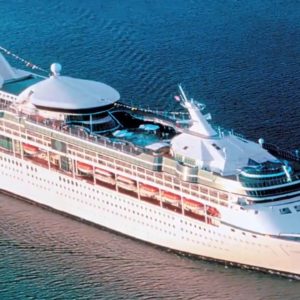
Royal Caribbean – Jewel of the Seas 10th November 2023
Join the the MSC Magnifica in Venice on this Classic, Magical Mediterranean Cruise with ports of
7 NIGHT MEDITERRANEAN CRUISE
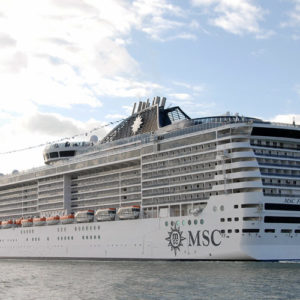
MSC Meraviglia 7th March 2023
Join the MSC Meraviglia in Barcelona on this Magical Mediterranean Cruise with ports of call at: Barcelona, Marseille, Genoa, Civitavecchia (Rome), Palermo
7 NIGHT USA – JAMAICA – CAYMAN’S – MEXICO & CUBA CRUISE
MSC Armonia 11th February 2023
Join the MSC Armonia in Miami on this 7 night Magical cruise around
7 Night Greek Isles Cruise
28th July 2022
Join the Rhapsody of the Seas in Venice on this 7 night Magical Mediterranean Cruise with ports of call at: Kotor –
22 NIGHT CAPE TOWN TO PERTH CRUISE WITH HOTEL STAYS
Cunard Queen Elizabeth 16th January 2023
Plus a 2 night 4* Hotel Stay in Cape Town Plus 2 Night Hotel
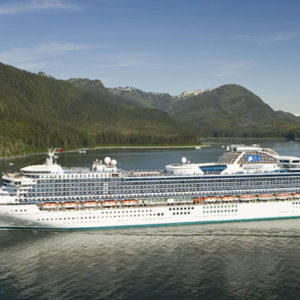
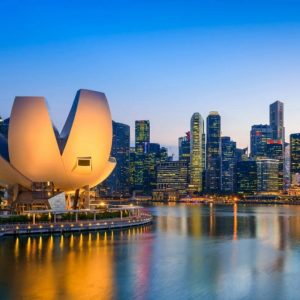
Join the Sapphire Princess in Singapore for this magical 10 night Far Eastern Cruise with ports of call at: Singapore, At Sea, At Sea, Bali, At Sea, At Sea, Kuala Lumpur, Penang, Phuket, At Sea, Singapore. Fly directly from UK to Singapore with a 3 night hotel stay in Singapore. Then board the Sapphire Princess for a 10 night cruise.
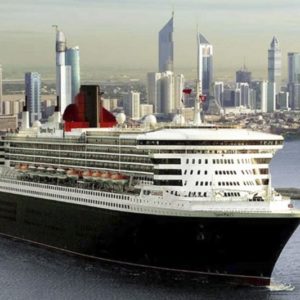
19 NIGHT WORLD CRUISE LEG SOUTHAMPTON TO DUBAI
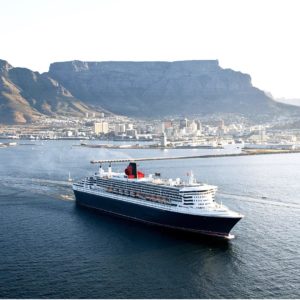
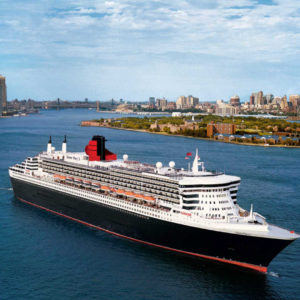
Cunard Queen Mary 2 10th January 2023
Plus a two night hotel stay in Dubai before flying home.
Book an outside cabin
17 NIGHT HONG KONG – HONG KONG – FAR EAST CRUISE
FLY TO HONG KONG FOR A TWO NIGHT HOTEL STAY. EMBARK THE MAGNIFICENT QUEEN MARY 2 IN HONG KONG
10 NIGHT SOUTHAMPTON – EUROPE CRUISE
Cunard Queen Victoria 1st June 2022
Join the sumptuous Queen Victoria in Southampton on this European cruise with ports of call at: Southampton (UK), (3
9 NIGHT SOUTHAMPTON – EUROPE CRUISE
Cunard Queen Victoria 27th October 2022
Join the sumptuous Queen Victoria in Civitavecchia (Rome) on this European cruise with ports of call at: Civitavecchia (Rome),
30 NIGHT SINGAPORE & THE FAR EAST CRUISE
FLY TO SINGAPORE FOR A TWO NIGHT HOTEL STAY. EMBARK THE MAGNIFICENT QUEEN MARY 2 IN SINGAPORE ON THIS FABULOUS 27 NIGHT NIGHT
26 NIGHT NO FLY CARIBBEAN CHRISTMAS & NEW YEAR CRUISE
TWO FANTASTIC SHIPS
THE QUEEN MARY – NORWEGIAN GEM
INCLUDING
7 Night Full Board Transatlantic cruise on board the Queen
27 NIGHT NO FLY TRANSATLANTIC & CARIBBEAN CRUISE
This offer includes:
7 Night Full Board Transatlantic cruise on board the Queen mary 2 from Southampton to New York.
11 Night
11 NIGHT ROME – SOUTHAMPTON – MEDITERRANEAN CRUISE
Cunard Queen Victoria 25th October 2022
Join the sumptuous Queen Victoria in Civitavecchia (Rome) on this European cruise with ports of call
5 NIGHT TASTE OF IRELAND CRUISE
Royal Caribbean Independence of the Seas 28th May 2022
Join the Independence of the Seas in Southampton on this 5 night Magical Cruise to
7 NIGHT NORTHERN EUROPE CRUISE
P&O Aurora 3rd January 2023
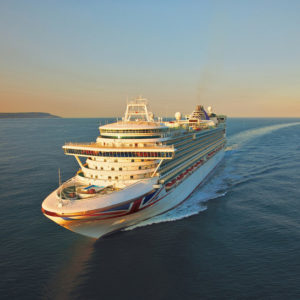
Join the Aurora in Southampton on this magical 7 night cruise to Northern Europe with posts of call at: Southampton
7 NIGHT GREECE & CROATIA CRUISE
Royal Caribbean Rhapsody of the Seas 29th September 2022
Join the Rhapsody of the Seas in Venice on this 7 night Magical Mediterranean Cruise
12 NIGHT CANARY ISLANDS CRUISE
P&O Ventura 27th May 2022
Your Cruise begins and ends in the port of Southampton, UK. This magical cruise includes stop overs in La Coruna
12 NIGHT CANARIES CRUISE
Cunard Queen Elizabeth 2nd December 2022
Fly into Cape Town and join Queen Elizabeth for this magical 12 night cruise from Southampton (UK), (3 days
14 NIGHT NORWEGIAN FJORDS CRUISE
Sapphire Princess 23rd June 2022
Join the Sapphire Princess in Southampton for this magical 14 night night cruise with ports of call at: At Sea, Svartisen
10 NIGHT SOUTHAMPTON – EUROPE CRUISE
Cunard Queen Victoria 28th November 2023
Join the sumptuous Queen Victoria in Southampton on this European cruise with ports of call at: Southampton, At
7 NIGHT ITALY – FRANCE – SPAIN CRUISE
MSC Fantasia 12th October 2022
Join the MSC Fantasia in Civitavecchia (Rome) on this 7 night Magical Mediterranean Cruise with ports of
7 NIGHT NORWEGIAN FJORDS CRUISE
14th July 2022 – P&O Azura
Join the Azura in Southampton and cruise to the Magical Fjords. Ports of call include; Stavanger – Aurland –
7 NIGHT ATLANTIC COAST CRUISE
P&O Ventura 20th October 2022
Your Cruise begins and ends in the port of Southampton, UK. From where you sail over to Amsterdam – Bruges
It’s limited seating! Hurry up: